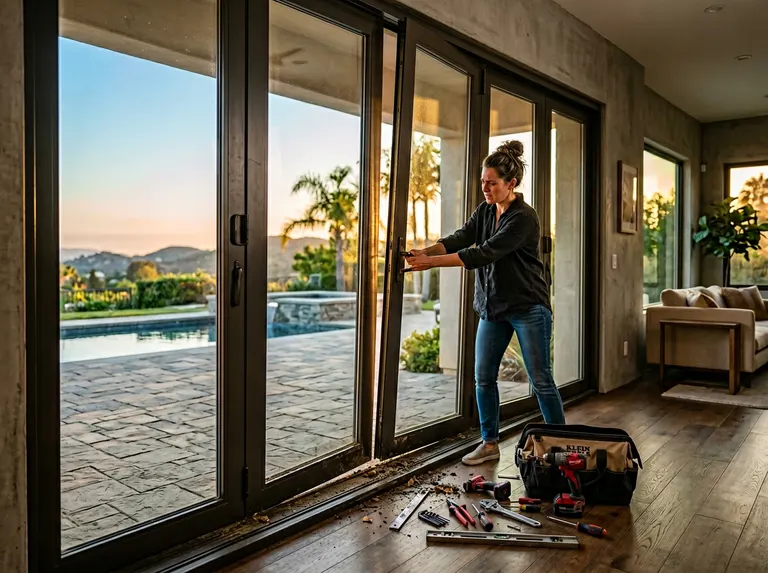
You start researching folding patio doors with a clear picture in mind: wide-open views, smooth indoor-outdoor living, and a beautiful transition to the patio.
Then you start reading real homeowner stories.
Across Reddit communities like r/DIY, r/HomeImprovement, r/DIYUK, and similar forums, a pattern starts to appear. Homeowners describe folding door systems that need constant adjustment, cleaning, lifting back into place, or professional repair. The specific complaints vary, but many of them point back to the same stress points: hinges, rollers, and tracks.
These stories do not mean every traditional bifold door will fail. But they do reveal a design pattern worth paying attention to, especially if you are planning a large opening in a sunny, high-use environment.
What Homeowners Are Actually Experiencing
In homeowner discussions, the frustration is usually not about the appearance of folding doors. People often love the idea. The trouble starts when the system becomes difficult to live with.
Some describe hinges bending or pulling apart. Others talk about rollers snapping, panels coming off track, or doors that bind, drag, and refuse to stack cleanly. One homeowner put it bluntly: "I hate these folding doors! They are all over my house and every single one of them breaks constantly."
The problems tend to show up in three familiar places.
1. Inter-Panel Hinges That Take Repeated Stress
Traditional hinged bifold systems rely on hinges between each panel. Those hinges allow the doors to fold as a connected chain, but they also become one of the most active stress points in the system.
Every time the doors open or close, the connected panels shift weight through those hinge points. Over time, homeowners report pins shearing, hinges bending, screws loosening, and panels sagging out of alignment. In one Reddit thread, a homeowner described a bifold door where "the hinge looks broken, and bent," which led to expensive repair quotes.
The important point is not that every hinge will fail. It is that inter-panel hinges carry repeated movement, load, and alignment pressure. When they wear or shift, the whole system can become harder to operate.
2. Top Rollers That Can Pop, Drag, or Seize
Traditional bifold doors also place significant demands on their roller assemblies. Because the panels fold and swing together, the rollers are not simply guiding a straight sliding panel. They are helping manage shifting loads, torque, and panel movement through the opening and stacking process.
That is why homeowners often post about doors jumping the track, needing to be lifted back into place, or becoming difficult to realign. One common complaint is simple and familiar: "Hinge roller snapped at the top of our bi-folds."
In many cases, this appears less like a random defect and more like a predictable stress point in the design. When a small roller assembly is asked to manage repeated movement from a connected folding system, wear and misalignment can become part of the ownership experience.
3. Tracks That Become Daily Maintenance Points
Tracks are another frequent source of frustration. Bottom tracks collect dirt, leaves, dust, and grit. Top tracks can be affected by shifting alignment, heat, or panel movement. Once debris or binding enters the system, the doors may drag, stick, or stop stacking smoothly.
One frustrated homeowner described old bifold doors that kept "breaking/getting stuck," sometimes coming off the track and sometimes sticking "like someone put super glue on the tracks."
This is especially relevant in places like Southern California, where large glass openings see sun, dust, wind, and frequent use. A folding patio door system has to do more than look beautiful on day one. It has to stay smooth and aligned after years of real conditions.
A Better Approach: Removing the Common Stress Points
This is why FlowDoors uses a different design.
Instead of connecting each panel with inter-panel hinges, our system uses independent panels. Each panel moves on its own, which removes the hinge connection between panels entirely. There are no inter-panel hinges to shear, loosen, or flex under daily use.
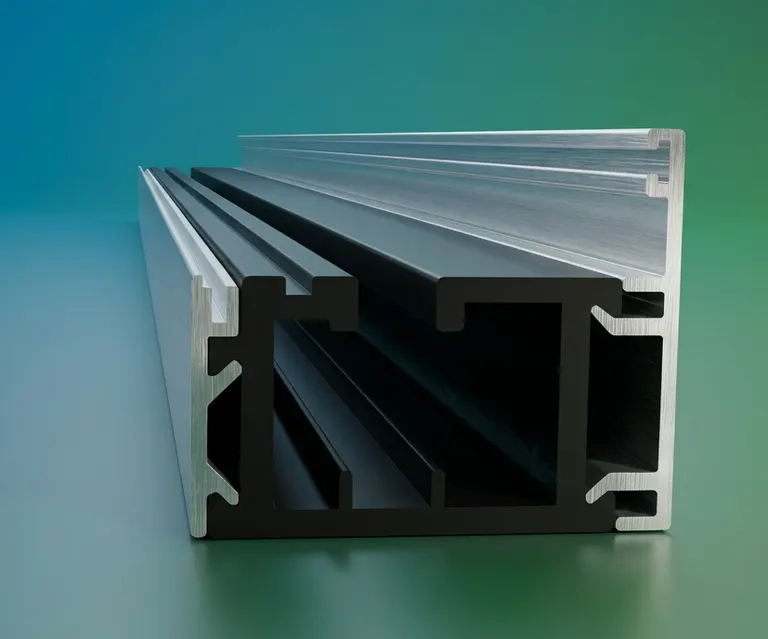
FlowDoors also supports the panel weight on a robust bottom track. The top guide helps maintain alignment, but the system is not asking small upper rollers to carry the burden of a connected, swinging chain of panels.
The result is a smoother, more stable movement path. Panels glide independently, stack cleanly, and reduce the maintenance issues that often come from hinged bifold systems.
FlowDoors panels are also engineered to resist thermal bowing, helping them stay straight and sealed even in direct sun. That matters in warm climates, where heat exposure can turn small alignment issues into daily frustrations.
What This Means for Your Project
For homeowners planning a large patio opening, the door design matters as much as the look.
A traditional hinged bifold system can create the indoor-outdoor effect people want, but it often does so with many moving connections that must stay perfectly aligned. Hinges, rollers, and tracks all have to work together under repeated load.
FlowDoors takes a simpler path: independent panels, fewer hinge-related failure points, bottom-supported movement, and long-term alignment built into the system.
From the first consultation, we help you choose the right configuration for your opening, your home, and the way you plan to use the space. We provide clear measurement guidance, support the installation process, and stand behind the system with a strong warranty.
The difference is something you feel every time you open the doors: smooth movement, clean stacking, and less fuss over time.
Key Takeaways
- Traditional hinged bifold doors often place repeated stress on inter-panel hinges.
- Top roller assemblies can wear, pop out, or become difficult to realign when managing connected folding panels.
- Tracks can collect debris, bind, or become maintenance points, especially in dusty, sunny, high-use environments.
- Many homeowner complaints appear tied to the connected-hinge design itself, not just isolated product defects.
- FlowDoors removes inter-panel hinges entirely by using independent panels.
- A robust bottom-supported track helps carry panel weight more effectively.
- Thermal-bow-resistant construction helps keep panels aligned and sealed long-term.
Reddit is full of homeowners who loved the idea of folding patio doors but became frustrated by the repair cycle. You do not have to accept that tradeoff. With a system designed to reduce the most common stress points from the start, you can get the open, beautiful patio door experience you wanted, with less maintenance and more confidence over time.