Let's get blunt: A door that doesn't lock in July is a broken door.
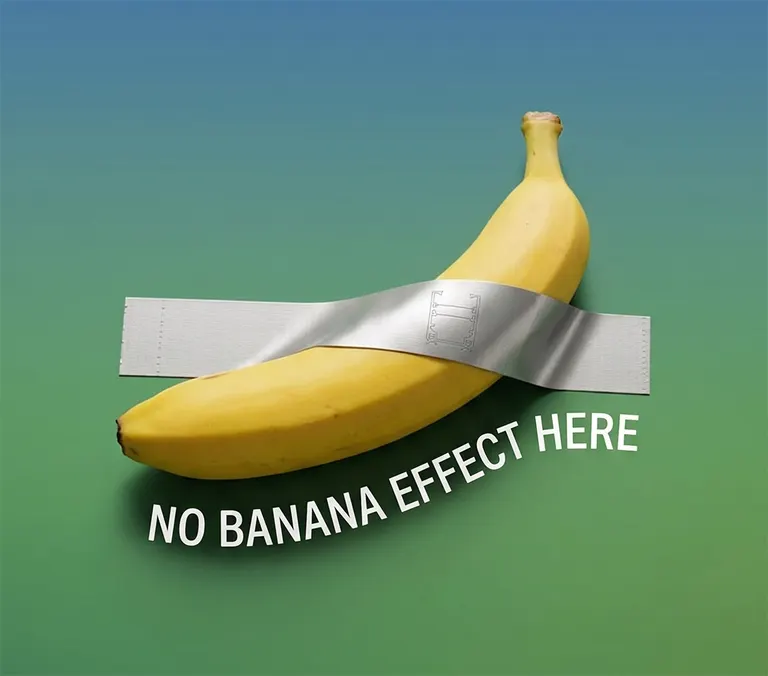
If you've ever seen a high-end sliding system that looks perfect in the showroom but sticks, drags, or whistles in the wind once installed, you've witnessed thermal bowing. In the industry, we call it the "Banana Effect," and it is one of the clearest examples of why large aluminum doors have to be engineered for real sun exposure.
The Physics of the Bow
Aluminum is highly sensitive to temperature. On a hot day, the exterior skin of your door can reach 70°C (158°F), while the interior remains at a cool 21°C (70°F).
In many traditional systems, the exterior aluminum expands while the interior stays cooler and shorter. When the frame assembly cannot accommodate that difference cleanly, it has nowhere to go but out. It bows like a banana. That slight curve is enough to pull locking hooks away from the strike plate and create air leaks that hurt energy performance.
The System-Level Solution
FlowDoors treats thermal bowing as an alignment problem that has to be solved across the whole panel, not patched with field adjustments after the fact.
- Controlled movement: The panel is designed to manage temperature-driven expansion without turning that movement into visible bowing.
- Stable alignment: Lock points, seals, and rolling behavior are engineered to remain predictable through ordinary heat cycles.
Performance Without Compromise
We don't believe you should have to choose between a dark, modern finish and a door that actually works. The goal is simple: smooth operation, dependable locking, and tight seals whether it is the dead of winter or the height of summer.